
 david24232525@gmail.com
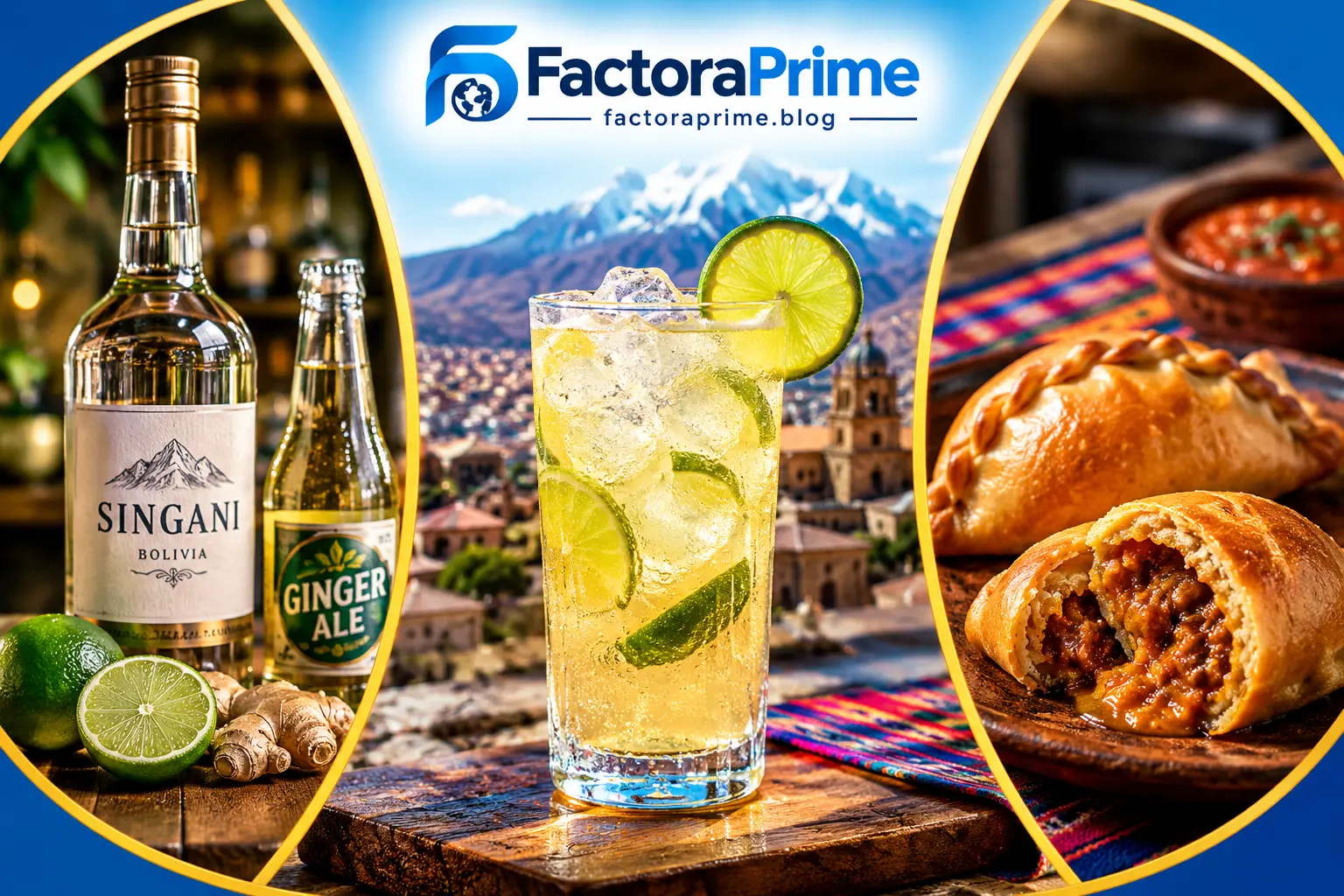
If you’ve been searching for the Best Chuflay Cocktail Near Me, you’re in for a treat. This Bolivian highball is bright, gingery, and built on Singani, a grape spirit you won’t find in any other drink. Most “near me” cocktail hunts end with a Margarita or Mojito, but the Chuflay is the one worth seeking out. Whether you’re looking to order one at a bar or make it at home, this guide will help you find, judge, and enjoy the Best Chuflay Cocktail Near Me.
First, let’s dive into the essential ingredients that make the Chuflay truly unique. At its core, this cocktail features Singani, which brings a floral and fruity character to the drink. Typically mixed with ginger ale or a similar soda, it strikes a perfect balance between sweetness and spice.
To elevate your Chuflay experience even further, consider adding a splash of fresh lime juice or garnishing with a twist of lemon. When you’re out on your quest, look for bars that specialize in craft cocktails or those with a diverse menu that may feature this lesser-known gem. If you prefer to whip one up at home, sourcing high-quality Singani is key; it sets the foundation for a remarkable Chuflay that will impress your friends and elevate your cocktail game.
What Is a Chuflay?
A Chuflay is Bolivia’s national highball, made with Singani (a grape brandy), ginger ale, fresh lime, and plenty of ice. It tastes crisp, lightly floral, and refreshingly gingery, think of it as a more aromatic cousin of a Mojito or a Gin & Ginger with a South American twist. Few bars outside of South America carry it, so your best odds are craft-cocktail spots, South American restaurants, or making one at home.
Chuflay Cheat Sheet
- Base Spirit: Singani (Muscat of Alexandria grape brandy)
- Mixer: Ginger ale (or ginger beer for more spice)
- Citrus: Fresh lime juice
- Glass: Highball or Collins, filled with ice
- Garnish: Lime wheel
- Key Marker: Real Singani, never gin or vodka
- Where to Find: Bolivian restaurants, craft bars stocking Singani, or home
How to Find the Best Chuflay Cocktail Near Me
Since the Chuflay isn’t as common as other cocktails, a little strategy goes a long way. Here’s how to track one down:
Search Smart on Maps. Search for “Singani” or “Bolivian restaurant” rather than just “Chuflay.” Bars that stock Singani are the ones most likely to make an authentic version. Craft cocktail bars with a focus on South American spirits are your next best bet.
Ask the Bartender. If a bar doesn’t list a Chuflay on the menu, ask if they carry Singani. If they do, they can almost certainly mix one up, it’s one of the simplest drinks to make.
Call Ahead. Before heading out, call the bar and ask two questions: “Do you have Singani?” and “Can you make a Chuflay?” This saves you a wasted trip.
Check Bolivian Restaurants. Bolivian spots often serve Chuflay as a house cocktail, especially during happy hour or at weekend celebrations. It’s frequently paired with salteñas or other Bolivian snacks.
What Makes Singani Special?
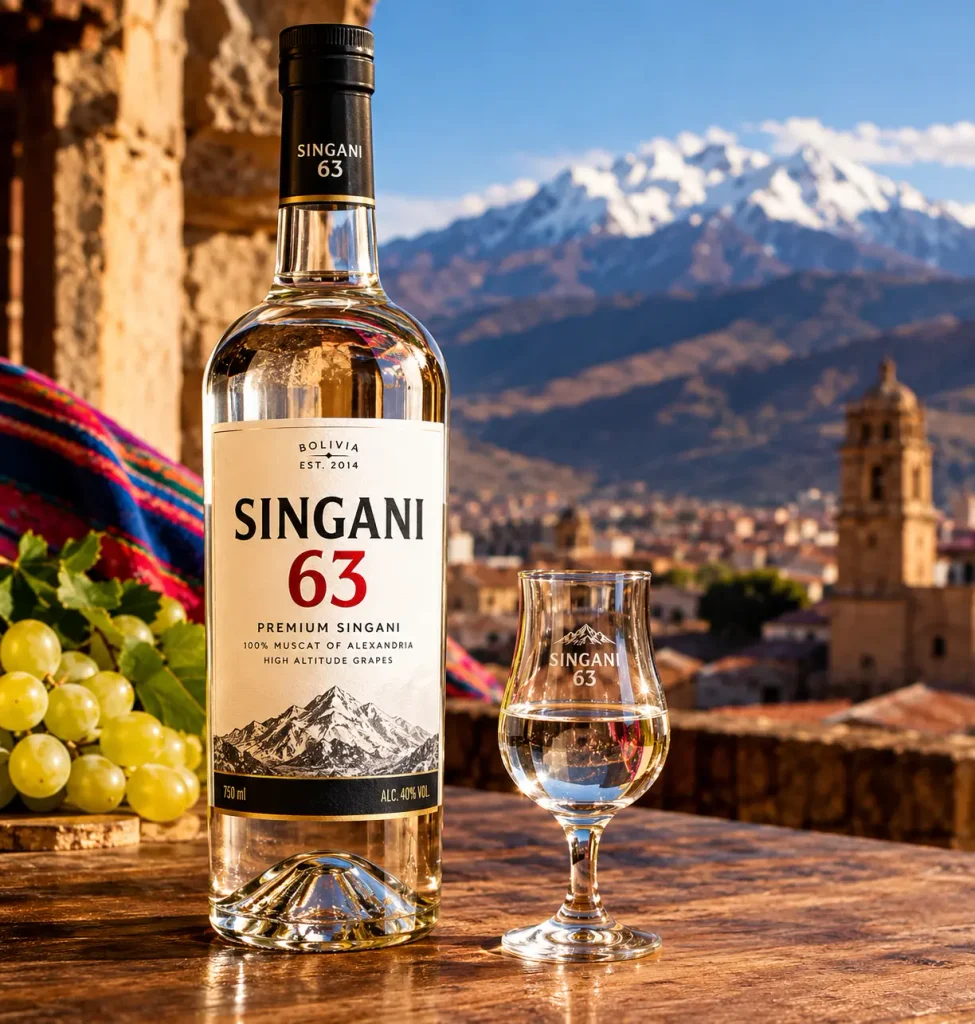
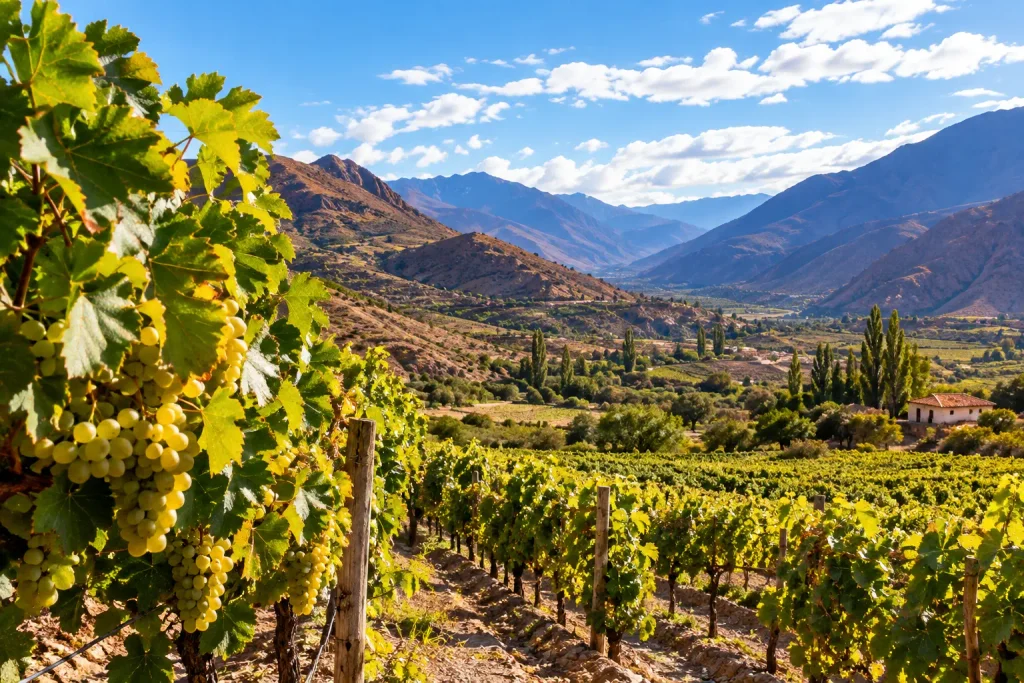
Singani is the soul of a Chuflay. It’s a grape brandy distilled from Muscat of Alexandria grapes grown at high altitude in Bolivia, often above 1,600 meters . Bolivia protects it with a Denomination of Origin, similar to how Champagne is tied to its region. Singani isn’t a one-size-fits-all spirit. Bolivian law recognizes different quality tiers, and knowing them can help you identify a superior bottle. The highest classification is Gran Singani (or Singani de Altura), which must be made exclusively from Muscat of Alexandria grapes grown at a minimum altitude of 1,600 meters.
Below that, there is Singani de Primera Selección (made from one or more white Vitis vinifera varieties) and Singani de Segunda Selección (made from unpressed grape pomace). For the authentic Chuflay experience, always look for bottles labeled “Gran Singani” or “Singani de Altura.”
The high-altitude growing conditions aren’t just marketing, they genuinely shape the spirit’s character. Research on altitude and wine grapes shows that high-elevation sites tend to produce higher concentrations of aroma compounds and polyphenols, partly due to increased UV radiation and cooler temperatures . That’s why Singani carries such a distinctive floral, perfumed profile, notes of jasmine, orange blossom, and tropical fruit that you simply don’t get from a neutral spirit.
On the palate, Singani is softer and more aromatic than grappa or pisco. Expect delicate notes of white flowers, ripe grapes, and a hint of citrus zest, with a clean, dry finish. It’s smooth enough to sip neat but has enough character to shine in a highball.
This is why you shouldn’t accept a “Chuflay” made with gin, vodka, or pisco. Those spirits don’t have the aromatic Muscat character that makes the drink sing. Singani is also exclusively made from a single grape varietal, something that sets Bolivia apart from other South American grape spirit producers like Peru (pisco) .
The spirit has been produced since the 16th century, born from the silver mining boom in Potosí . Spanish colonizers established vineyards in the Cinti Valley and began distilling wine into something stronger for the miners. The name “Singani” likely comes from the Aymara word siwingani, meaning “a place where sedge grows” .
The Chuflay’s Railway Origins
The Chuflay has one of the more charming origin stories in cocktail history. In the late 1800s, British railway engineers working in Bolivia mixed gin with ginger ale after long days in the sun, a drink they called “Gin & Gin” . But gin was hard to come by in the Bolivian highlands, so they swapped it for the local Singani .
They jokingly called the mix “short fly,” a railway term for a temporary track fix or shortcut. Some say the name stuck because the drink made them drunk quickly . Bolivians heard “short fly” and transformed it into “Chuflay” .
The analogy was perfect: Singani was a “temporary replacement” for gin, just as a short fly was a temporary rail . What started as a workaround became Bolivia’s most emblematic cocktail.
How to Judge a Great Chuflay
Once you find a bar that serves one, here’s how to tell if it’s made with care:
- Real Singani, not a substitute. If a bar uses gin, vodka, or pisco and calls it a Chuflay, it’s not authentic. Singani’s floral, grape-based character is the heart of the drink.
- Fresh lime, not sour mix. A proper Chuflay uses fresh-squeezed lime juice. Bottled sour mix flattens the drink and adds unnecessary sugar.
- Quality ginger ale or ginger beer. Traditional recipes call for ginger ale , but spicy ginger beer gives the drink more backbone. Either works, but the ginger should be present without being overpowering.
- Balanced flavor. The Singani should lead, with ginger and lime supporting, not burying, the spirit.
- Plenty of ice and a real lime garnish. A warm, under-iced Chuflay loses its refreshing appeal quickly.
One common letdown: a flat, overly sweet version made with cheap soda and no fresh citrus. If it tastes like ginger candy, the bar cut corners.
Common Mistakes to Avoid:
- Using flat or warm ginger ale (kills the effervescence)
- Skipping fresh lime (bottled juice tastes metallic)
- Overfilling with ice (dilutes too fast, use large cubes)
- Substituting pisco or grappa (different grape, different result)
- Adding sugar syrup (Singani is already slightly sweet)
How to Make a Chuflay at Home
If you can’t find a bar near you, the good news is that a Chuflay is incredibly easy to make. Here’s a classic recipe:
Ingredients:
- 2 oz Singani
- Ginger ale (or ginger beer for a spicier kick)
- Fresh lime juice (about ¼ oz)
- Ice
- Lime wheel for garnish
Instructions:
- Fill a highball or Collins glass with ice.
- Pour in the Singani.
- Add fresh lime juice.
- Top with ginger ale.
- Stir gently and garnish with a lime wheel.
Pro Tips:
- Simple Syrup (optional): Dissolve 1 part sugar in 1 part hot water. Add ¼ oz if you prefer a sweeter drink.
- Garnish Upgrade: Use a wide lime wheel (not wedge) for better aroma release. Slap it once against your palm before placing on the rim.
- Ice Matters: Use large cubes or a single spear. Smaller ice melts faster and waters down the drink.
That’s it, simple, refreshing, and altitude-approved. Some recipes call for a full jigger of Singani and a squeeze of half a lime, but feel free to adjust to your taste.
Regional Variations:
- La Paz & Altiplano: Classic ginger ale, minimal lime
- Santa Cruz & Lowlands: Often uses 7-Up or Sprite for sweeter profile
- Yungas Valleys: Sometimes topped with ginger beer for extra bite
- Tarija: May include a splash of fresh orange juice
Where to Buy Singani
If you’re outside Bolivia, finding Singani used to be a challenge. That’s changing. In 2020, the U.S. government officially recognized Singani as a distinctive product of Bolivia, which opened the door for broader distribution . Filmmaker Steven Soderbergh, who fell in love with the spirit while filming Che, launched his own brand, Singani 63, and has been a major advocate for its international growth. Singani by the Numbers: The spirit was officially recognized as a distinctive product of Bolivia by the U.S. Alcohol and Tobacco Tax and Trade Bureau (TTB) in 2020.
This legal recognition opened doors for importers. When shopping, look for Singani 63, the brand launched by filmmaker Steven Soderbergh, which is available in the U.S. and UK. Another indicator of quality: the label should state the altitude of distillation (typically around 1,850 meters) and confirm it is made from 100% Muscat of Alexandria
Look for Singani at well-stocked liquor stores, specialty spirits shops, or online retailers. If you can’t find it locally, Singani 63 is one of the more widely available brands in the U.S. market.
What to Eat with Your Chuflay
Salteñas: The Essential Pairing. If you only try one food with your Chuflay, make it a salteña. But be warned: calling it an “empanada” is a faux pas. These are plump, football-shaped pastries with a sweet, slightly crunchy crust and a seam braided across the top. The filling is a soupy stew (jigote) that is gelatinous when cold and melts into liquid when baked. The traditional eating method is a game: nibble off the top, slurp the broth, and try not to spill. In Bolivia, whoever spills first pays the bill, and legend says excessive spilling brings “five years of bad sex”. A cold Chuflay cuts through the rich, savory stew perfectly.
Pacumuto. For a heartier meal, seek out this eastern Bolivian specialty: grilled meat skewers served with yuca, salad, and llajua (a fiery Bolivian salsa). The smoky, charred flavors of the meat are balanced by the bright ginger and lime in your glass.
Pique a lo Macho. This is Bolivian comfort food at its finest, a massive plate of beef strips, sausages, boiled eggs, and fried potatoes, all smothered in a spicy sauce. It’s made for sharing, and it’s made for a round of Chuflays.
| Dish | Flavor Profile | Why It Works |
|---|---|---|
| Salteñas | Savory, soupy, slightly sweet | Cold drink balances hot filling |
| Pacumuto | Smoky, charred, hearty | Ginger cuts through richness |
| Pique a lo Macho | Spicy, heavy, shareable | Lime brightens the spice |
| Cheese & olives | Salty, briny | Contrasts floral Singani |
Other Bolivian Cocktails to Try
If you enjoy a Chuflay, Singani opens the door to a whole family of Bolivian drinks worth exploring:
Yungueño, Singani mixed with orange juice and simple syrup, served very cold . The name refers to the Yungas valleys, and it’s essentially a Singani Screwdriver done right.
Sucumbé, a warm winter cocktail of milk, Singani, spices, and eggs, often compared to eggnog . It’s especially popular during the Fiesta de San Juan.
Té con té, literally “tea with tea,” this hot drink combines black tea, cinnamon, lime, and Singani . Perfect for chilly evenings.
Coctel de Tumbo, a creamy blend of Singani and banana passionfruit (tumbo), sometimes with condensed milk . The fruit’s fragrance is delicate, so skip the ice.
Final Thoughts
The Best Chuflay Cocktail Near Me might not be at every bar, but it’s worth the search. Look for craft cocktail spots, Bolivian restaurants, or bars that stock Singani. If you can’t find one, making it at home is easy and rewarding, especially now that Singani is more available internationally than ever before. To whip up a delicious Chuflay at home, you’ll need just a few simple ingredients: Singani, ginger ale, and a twist of lime. Start by filling a tall glass with ice, then pour in the Singani, allowing its unique floral notes to shine through. Top it off with ginger ale for a refreshing fizz, and don’t forget to garnish with a lime wedge for that zesty kick.
This cocktail not only captures the essence of Bolivian culture but also offers a delightful escape with every sip. Whether you’re hosting a gathering or enjoying a quiet evening, the Chuflay is sure to impress and transport you to the vibrant streets of La Paz. With its floral Singani base, spicy ginger, and bright lime, the Chuflay is a drink that surprises first-timers and becomes a favorite fast. It’s proof that sometimes the best cocktails come from the most unlikely origins, a railway workaround that became a national treasure.
The Chuflay embodies the spirit of Bolivia, reflecting its rich culture and history in every sip. As you take your first taste, the effervescence of the ginger dances on your palate, while the floral notes of Singani linger, inviting you to explore the complexities of this unique spirit. It’s a cocktail that tells a story, a blend of tradition and innovation that has captured the hearts of locals and travelers alike. Whether enjoyed in a bustling bar in La Paz or at a quiet gathering with friends, the Chuflay is more than just a drink; it’s a celebration of camaraderie and the vibrant essence of Bolivian life.